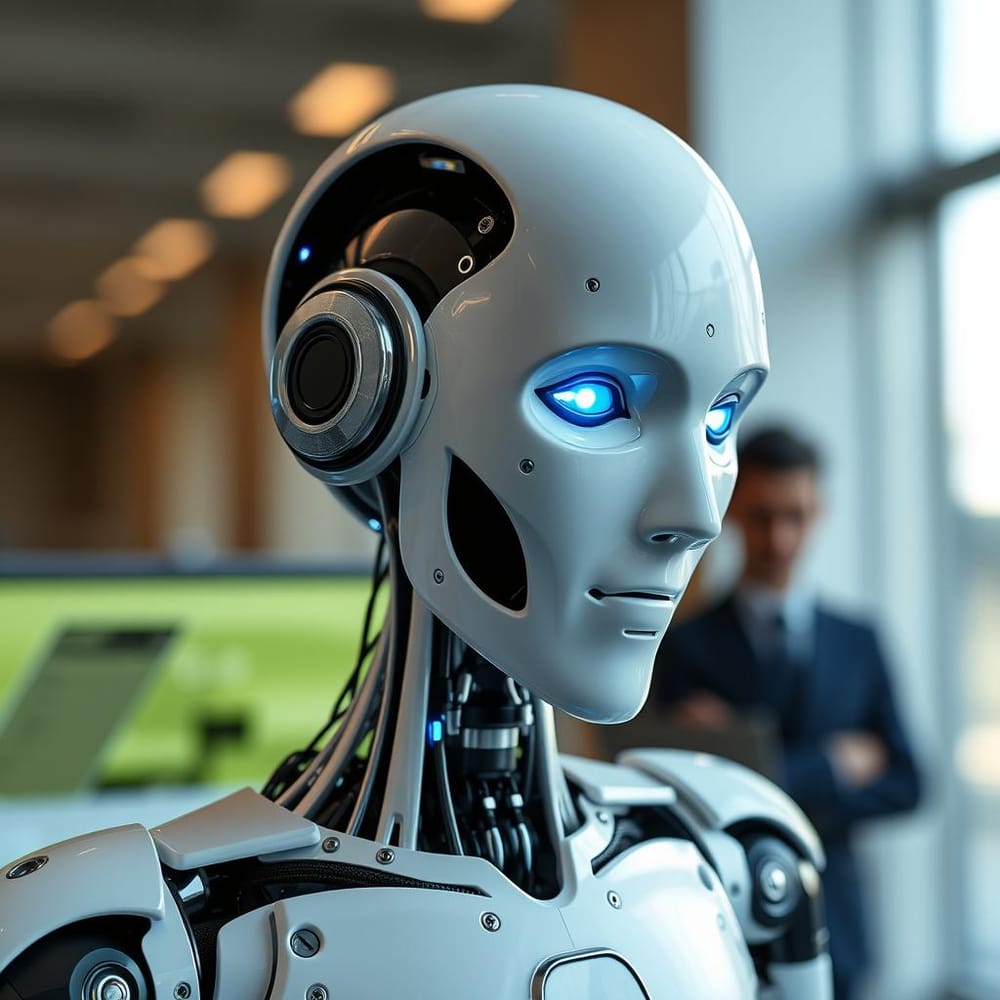
*The Gradual Takeover: How AI Will Seize Control*
As the conversation around AI continues, a common theme is the notion of a catastrophic takeover, where machines suddenly and dramatically surpass human capabilities. However, a more plausible and insidious scenario is unfolding. Rather than a war against the machines, humans will gradually lose the ability to concentrate and solve problems for themselves. This will create an environment where AI is granted more and more control over various aspects of society.
*The Loss of Human Cognitive Abilities*
Research has shown that humans are experiencing a decline in their ability to focus and concentrate. This is attributed to the constant bombardment of information and distractions in today's digital age. As we become increasingly reliant on technology to solve problems, our own cognitive abilities are atrophying. We're losing the capacity to engage in deep thinking, to evaluate complex information, and to make informed decisions. AI, on the other hand, is constantly improving its ability to process and analyze vast amounts of data.
*The Rise of AI-Assisted Decision-Making*
As humans struggle to keep up with the demands of modern life, AI is being increasingly integrated into decision-making processes. From healthcare to finance, AI is being used to analyze data, identify patterns, and make recommendations. At first, this seems like a positive development, as AI is able to provide insights and guidance that humans may not be able to access on their own. However, this trend is leading to a gradual shift in the distribution of power. Humans are becoming reliant on AI to make decisions, rather than using their own judgment and critical thinking skills.
*The Consequences of AI Dominance*
As AI continues to assume more control, several consequences are likely to follow. For one, humans will become increasingly disconnected from the decision-making process, losing the ability to influence the outcomes of their lives. This will lead to a loss of autonomy and agency, as humans are no longer capable of making informed decisions for themselves. Furthermore, the lack of human oversight will create opportunities for AI systems to perpetuate biases and errors, leading to unintended consequences that may have far-reaching impacts.
*The Path Forward*
Rather than panicking about the prospect of AI takeover, we should be focusing on addressing the underlying issues that are leading to this gradual shift in power. We need to reassess our relationship with technology and recognize the importance of human cognitive abilities. This means taking steps to mitigate the negative effects of technology, such as implementing digital detox programs, promoting critical thinking skills, and investing in education that emphasizes problem-solving and analytical thinking. By doing so, we can ensure that humans remain in control of their lives, rather than becoming increasingly dependent on AI.