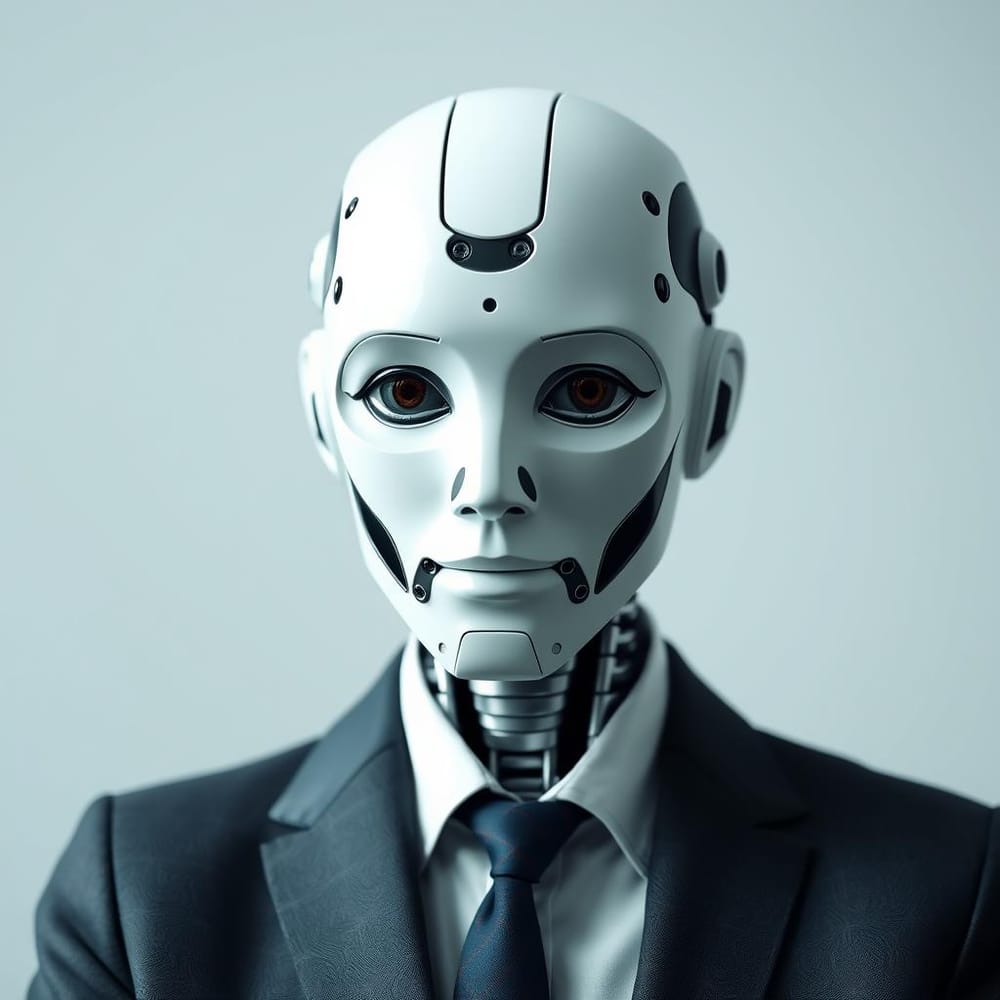
*The AI-Generated Message: Can You Tell?*
In today's digital workplace, it's becoming increasingly common for managers to use AI tools to generate messages, reports, and even entire documents. But do employees know when they're receiving AI-generated communication, and does it matter?
A recent study on AI use in workplace communication highlights the importance of transparency in this area. The study, conducted by an MBA student, explores how employees perceive and make sense of AI-generated messages, and whether disclosed or inferred AI use affects their perception.
*Disclosed vs. Inferred AI Use*
When AI tools are used to generate messages, employees may be either explicitly told about it or left to infer its use. In the study, participants were asked to complete a short, anonymous survey to gauge their understanding of AI-generated messages. The results show that employees are more likely to recognize AI-generated messages when they are explicitly disclosed.
For example, if a manager sends a message that begins with "Generated by AI assistant," employees are more likely to recognize it as AI-generated. However, when AI tools are used without disclosure, employees may not even notice, or may assume that the message was written by a human.
*What's the Impact?*
The study's findings suggest that disclosed AI use has a significant impact on employee perception. When employees know that a message was generated by AI, they are more likely to trust its accuracy and completeness. This is particularly important in high-stakes communication, such as performance reviews or critical updates.
Conversely, inferred AI use can lead to skepticism and mistrust. Employees may wonder whether the message was generated by AI or a human, which can lead to questions about its legitimacy and authenticity.
*The Future of Workplace Communication*
As AI tools become more prevalent in the workplace, it's essential for managers to be transparent about their use. By disclosing AI-generated messages, managers can build trust with their employees and ensure that communication is clear and effective.
However, the study also highlights the need for employees to be aware of AI-generated messages and to be able to distinguish between human-written and AI-generated communication. This requires a combination of education and awareness-raising efforts to ensure that employees are equipped to navigate the changing landscape of workplace communication.
*Conclusion*
The study's findings have significant implications for the future of workplace communication. As AI tools continue to evolve and become more integrated into our work lives, it's essential for managers and employees to work together to ensure that communication is transparent, trustworthy, and effective. By understanding the impact of disclosed and inferred AI use, we can create a more informed and empowered workforce, equipped to navigate the challenges and opportunities of AI-driven communication.